
Recruiting's Compound Interest Advantage


What We’re Hearing from the Market
2025 has been a challenging year for many recruiting firms. Searches slowed, and clients hesitated. Many search firms focused on simply staying lean and weathering uncertainty.
But the tone is changing
Across conversations with boutique search firms and independents, there’s a growing
sense that things are beginning to pick back up, with many expecting real momentum by
Q2 next year. Activity is increasing. Confidence is returning. And with that comes a familiar
pressure: “We’ll get our systems in place once things get busy.”
That instinct is understandable...but it’s also backward.
Recruiting's Compound Interest Advantage
Building recruiting infrastructure works a lot like compound interest.
The value doesn’t come from a single moment.
It comes from starting earlier.
When you wait to implement a system until you’re already busy, you miss the quiet, high-
leverage period where the real value is created. Just like investing, the earlier you start
capturing data, context, and relationships, the more powerful the compounding effect
becomes over time.
An ATS or CRM isn’t most valuable the day you start using it.
It’s most valuable when it’s full of history.
Why Starting Early Pays Off
1. Centralized Communication
A question I hear all the time is: “Once we turn the platform on, will it automatically show
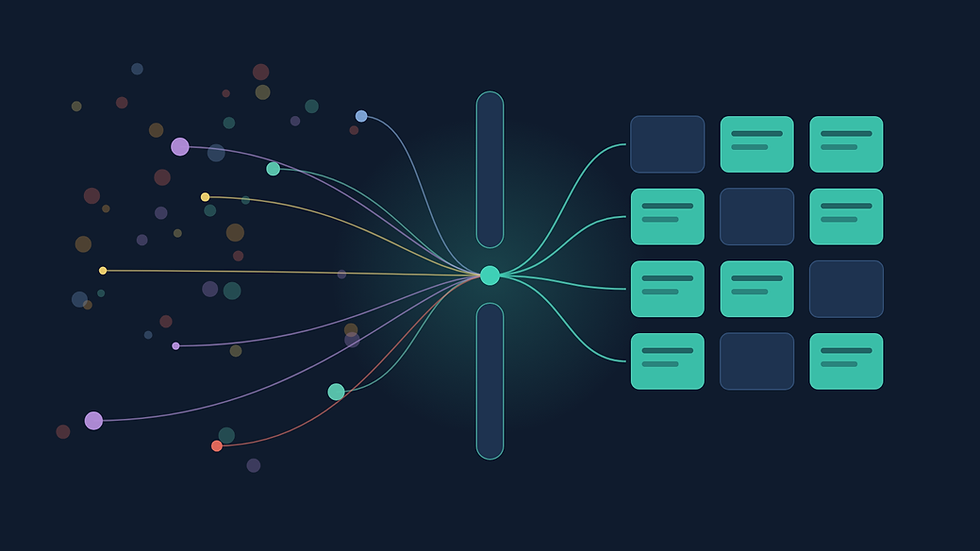
all of my past emails with candidates?” The honest answer is no, the valve turns on the
day you turn the system on. From that point forward, emails, notes, and activity are
captured automatically, but nothing is retroactive. And that’s exactly the point.
Waiting to implement a system doesn’t just delay organization, it delays compounding.
Every week you wait is a week of conversations, follow-ups, and insights that never make it into your long-term memory bank. Starting earlier means that by the time things get busy, your history is already there, searchable, connected, and working for you.... instead of living across inboxes, notebooks, and recollection.
The sooner you turn the valve on, the more quietly valuable data accumulates in the
background.
2. Candidate Research Gets Stronger Over Time
Recruiting success isn’t about starting from scratch every time, it’s about rediscovering the right people at the right moment. The sooner you begin capturing hiring manager feedback and candidate context, the more valuable your database becomes.
Over time, you’re not just collecting names, you’re building history. Who made it to
interview. Who was a finalist. Who declined an offer. Who was disqualified, and why. That context is gold when a similar role opens months later. Instead of relying on memory or digging through old emails, you can search your own history and quickly surface candidates who were already vetted, already interested, and already relevant. The database doesn’t just grow, it gets smarter with every status change, note, and decision you capture.
3. AI Works Better with More History
AI isn’t magic. It’s leverage. And leverage only works when there’s something to amplify.
The earlier you start storing structured data, such as no activities, skill data, and compensation data etc., the more intelligent and useful automation becomes down the line.
4. Analytics and Insights Require Time
Over the 5+ years I’ve been working with recruiters, I’ve seen a meaningful shift in
recruiting from gut-feel to data-informed decision making. The challenge? You can’t
extract insights from data that doesn’t exist yet. Starting early gives you the runway to
collect meaningful signals and spot patterns that actually improve how you recruit.
• Time-to-fill trends
• Bottlenecks in your process
• Which sourcing channels actually convert
• How candidate velocity changes as volume increases.
That insight compounds, and it only begins to accrue once the system is in place.
5. Business Development Becomes Repeatable
I’ve been hearing this a lot from boutique search firms this year: “I used to rely on referrals, but now I need to be much more proactive.” When BD lives in your head or scattered across your inbox, it effectively resets every time you get busy.
Starting early allows you to build a repeatable, organized BD motion before demand spikes. You can track outreach, see who you’ve spoken to, understand what resonated, and follow up with intent —instead of starting from scratch every time the phone stops ringing. When the market picks up, you’re not scrambling to rebuild momentum. You’re simply compounding work you’ve already done.
The Takeaway
Waiting to implement a system until you’re busy is like waiting to invest until you’re already
wealthy. You can do it... but you miss years of compounding.
Every delayed note, untracked candidate, forgotten conversation, or stalled follow-up is
unrealized ROI. It shows up later as slower searches, missed rediscoveries, longer time-to-
fill, and more reactive business development. The firms that consistently outperform aren’t the ones with the most tools. They’re the ones who started earlier. They let their data and relationships compound quietly in the background so when demand spikes, they move faster, place sooner, and operate with confidence instead of chaos.
In recruiting, organization isn’t overhead. It’s leverage.


Comments