
Introducing Tracks by TATracker


Why the Best Recruiters Don’t Rely on Memory: Introducing Tracks
Over the past six years working alongside recruiting firms, I’ve noticed a pattern.
The most successful recruiters aren’t necessarily the ones with the largest databases, the most advanced sourcing tools, or even the biggest teams.
They’re the ones who consistently execute a repeatable process.
They know who to follow up with. They know which candidates deserve another conversation. They know which prospects have gone cold. And they know where to focus their attention each day.
In other words, they don’t rely on memory. They rely on systems. The challenge is that maintaining those systems often becomes a job in itself.
The Hidden Cost of Rebuilding Lists
Most recruiters have several populations of people they revisit over and over again:
Silver medalist candidates
Prospects who haven’t been contacted recently
Candidates interviewing with clients
Previous placements who may be open to new opportunities
Hiring managers in a target industry
Talent Pools of top performing passive talent
Unfortunately, these lists are often managed through a combination of spreadsheets, saved notes, reminders, and manually applied filters.
A recruiter might spend time creating the perfect list today, only to discover it’s outdated tomorrow.
Candidates move through searches. New contacts are added. Prospects respond. Priorities change.
As databases grow, the effort required to maintain these lists grows with them.
The result is a surprising amount of time spent organizing information instead of acting on it.
What Are Tracks?
Tracks were created to solve this problem.
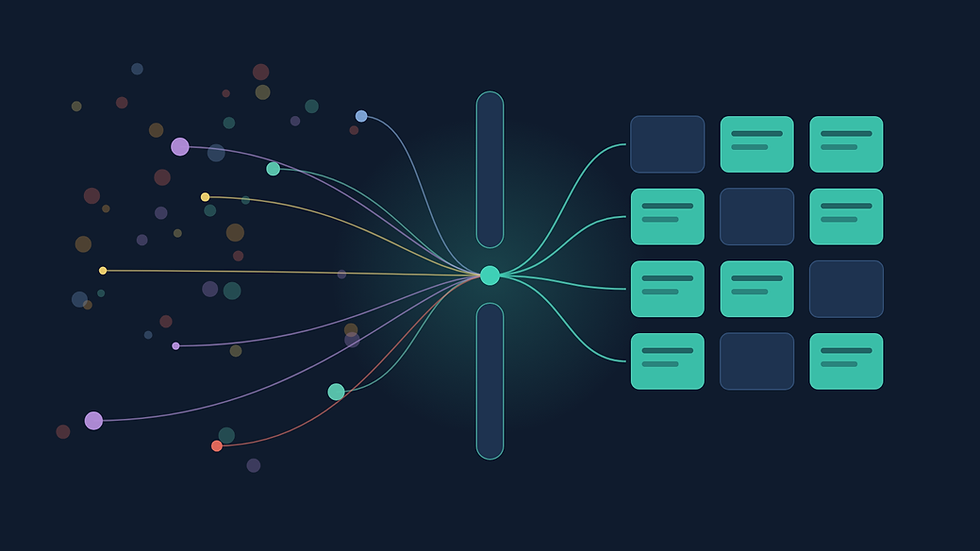
A Track is a dynamic, rule-based saved search that automatically updates as records enter or leave the criteria you’ve defined. Think of Tracks as living lists of contacts, companies, and searches. Rather than recreating filters each time you log into your ATS, Tracks provide one-click access to the exact group of people you want to engage.
Because Tracks are dynamic, they stay current without requiring ongoing maintenance.
When a candidate’s status changes, a prospect responds, or a new record meets your criteria, the Track updates automatically.
Your list stays relevant without any additional effort.
How Recruiters Are Using Tracks
Every recruiting firm operates differently, but several common use cases have emerged.
Building Talent Communities
Many recruiters cultivate relationships long before a search begins.
A Track can automatically maintain lists of:
High-performing candidates
Industry specialists
Candidates with niche skill sets
Previous finalists and silver medalists
When a new search opens, these talent pools are immediately accessible.
Prioritizing Business Development
Recruiters often know exactly which types of companies they want to work with but struggle to maintain consistent outreach.
Tracks can automatically surface:
Companies in target industries
Decision-makers matching an ideal client profile
Instead of wondering who to contact next, recruiters can start each day with a prioritized list already waiting for them.
Managing Active Searches
Tracks can also help recruiters monitor active recruiting activity.
Examples include:
Candidates currently interviewing
Candidates awaiting feedback
Searches that haven’t seen recent activity
These dynamic views help ensure important conversations don’t fall through the cracks.
Reducing Administrative Work
One of the most overlooked benefits of Tracks is the reduction in administrative overhead.
Many recruiting teams attempt to stay organized through extensive task creation and manual reminders.
While tasks remain important, not every workflow requires another reminder.
Sometimes recruiters simply need a current, accurate list of people who deserve attention.
Tracks provide that visibility automatically.
The result is less time spent managing the system and more time spent building relationships.
Focus on What Matters
Recruiting has always been a relationship-driven business.
Technology should help recruiters identify opportunities faster, not create additional administrative work.
Tracks were built around a simple idea: the people you need to engage shouldn’t be hidden behind a series of filters and searches.
They should be accessible with a single click.
By transforming static lists into dynamic, automatically maintained populations, Tracks help recruiters spend less time organizing data and more time having conversations that lead to placements and revenue.
Because the best recruiters don’t win by remembering everything.
They win by creating repeatable systems that help them focus on the right people at the right time.


Comments